
Becoming
Production vs Consumption Mindset

There is a fascinating shift that happens when human beings move from merely experiencing the world to actively shaping their place within it. Sometimes it begins quietly, through repeated effort, small contributions, shared responsibilities, or the courage to continue despite uncertainty. Over time, what initially feels borrowed, inherited, or observed slowly becomes personal.
That process of becoming often unfolds through collective experiences. Gatherings where generations come together, rituals are repeated yet reinterpreted, stories are exchanged, and identities subtly reinforced. At other times, it emerges through movement, stepping away from familiar routines into environments that demand patience, endurance, and presence. Both situations reveal something similar. Human beings rarely transform in isolation.
The modern world celebrates instant visibility, but most meaningful growth still follows slower rhythms. Trust compounds gradually. Confidence emerges through contribution. Relationships deepen through continuity. Even creativity often begins as imitation before evolving into something authentic.
Perhaps that is why journeys matter so much, whether emotional, professional, or physical. They remind us that becoming is not a single breakthrough moment. It is a layered process shaped by people, place, persistence, and timing.
And maybe the real shift happens when we stop asking only what we can consume from life, and begin asking what we are capable of contributing back to it.
DTW
During the Week, the story of the so-called “Indian Ashton Hall” felt like a surprisingly powerful metaphor for identity in the digital age. Yogendra Kushwah began by recreating the highly stylised routines of American creator Ashton Hall in a distinctly Indian setting. At first glance, it looked like imitation, almost meme-worthy. But over time, something interesting happened. Audiences stopped focusing on the copying and started responding to the sincerity, consistency, and emotional honesty behind the effort. Eventually, Ashton Hall himself travelled to India to meet him. What began as consumption slowly transformed into recognition.
That journey opens up a larger question. Are human beings increasingly known by what they consume or by what they produce?
The first shift becomes visible in the complements. Earlier, identity was complemented primarily by production. Your profession, craft, contribution, or expertise shaped how society perceived you. Today, identity is increasingly complemented by visible consumption. What you watch, wear, eat, repost, follow, and endorse continuously signals who you are or who you wish to become. Platforms amplify this dramatically. Algorithms understand your consumption patterns before you fully understand them yourself.
This is why modern identity feels so editable. Consumption is no longer passive. It is performative. Every playlist, reel, book recommendation, running shoe, travel aesthetic, or café photograph becomes part of an identity layer. The complement has shifted from work to signalling.
The second lens is architecture. Earlier, production and consumption existed in relatively separate systems. Producers created, audiences consumed. Today, digital platforms collapse those boundaries completely. Every consumer is also a potential creator. Every creator is simultaneously consuming trends, formats, sounds, and aesthetics from elsewhere.
The “Indian Ashton Hall” story reflects this perfectly. A global content format gets absorbed, reinterpreted, localised, and eventually transformed into something emotionally distinct. Identity itself becomes modular and networked. People assemble themselves from influences collected across geographies, cultures, and algorithms.
This creates a strange paradox. Authenticity increasingly emerges through adaptation rather than originality. Human beings rarely create from nothing. They remix, reinterpret, and personalise existing influences until something uniquely theirs begins to emerge.
The third lens is tempo. Consumption moves extremely fast. Trends appear and disappear within days. Algorithms reward immediacy, novelty, and constant visibility. Production, however, still operates at a slower and often more painful tempo. Real skill, trust, endurance, and credibility require repetition over time.
This creates tension, especially for younger people. The world constantly exposes them to finished outcomes while hiding the slow process of becoming behind those outcomes. It becomes easy to mistake visibility for achievement.
But stories like Yogendra Kushwah’s remind us that consistency itself can alter perception. At some point, repetition stops looking like imitation and starts looking like commitment.
And then comes the final lens, the real constraint.
The biggest constraint today is not access to information or inspiration. It is the inability to move from consumption to creation. Endless scrolling creates the illusion of engagement without requiring the vulnerability of producing something oneself. Consuming is emotionally safe. Producing invites judgment, failure, and uncertainty.
Yet human beings are ultimately remembered for what they create, contribute, sustain, or transform. Consumption shapes aspiration. Production shapes meaning.
Perhaps that is the deeper lesson beneath these stories of manifestation and becoming. People begin by absorbing the world around them. They imitate before they innovate. But over time, if they continue honestly and persistently enough, borrowed forms slowly become personal expression.
And maybe becoming is simply this. The long movement from consuming identity to consciously creating one.
A similar shift becomes visible every summer during student internships, especially through the DVL journeys emerging from this year’s cohort. Many students began by observing organisations cautiously, trying to understand sectors, workflows, customers, and managerial language that initially felt distant from classroom discussions. But over the weeks, something changed. Students working across startups, healthcare platforms, consulting projects, and social enterprises gradually moved from merely consuming information to creating value. Some began producing market insights from field interactions, others developed campaign ideas, operational recommendations, platform analyses, or product improvement suggestions grounded in lived organisational realities.
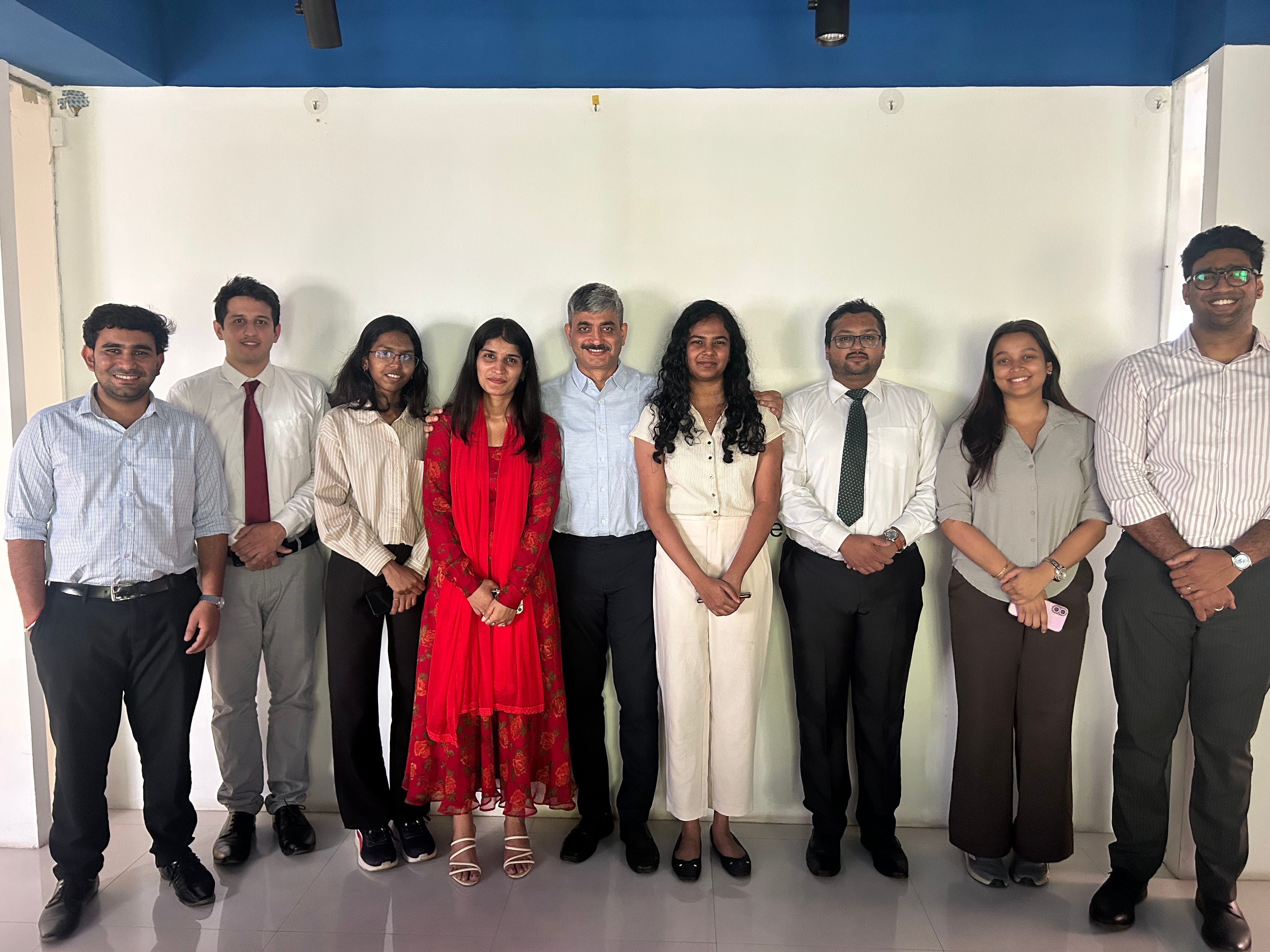
What stood out this year was not just competence, but ownership. Students started speaking less like interns seeking approval and more like contributors shaping outcomes. Their DVL reflections captured this transition beautifully, moments where uncertainty gave way to clarity because they had finally experienced the difference between knowing something conceptually and creating something that influences real decisions. Perhaps that is one of the most meaningful forms of becoming in professional life, the moment when you stop asking only “What can I learn here?” and begin asking “What can I build, improve, or contribute here?”
OTW
Over the Weekend, one journey gently concluded even as another began. The wedding celebrations of Paarth and Manaswi reached their culmination after days filled with conversations, rituals, music, laughter, and the slow rhythm of family gatherings that seem to suspend ordinary time. Weddings often appear centred around a single event, but what stays with you are the spaces in between, shared meals, old stories resurfacing, cousins reconnecting after years, and the quiet emotional transitions that unfold beneath the visible celebration.next.

There was also something reassuring about watching people from different generations participate in the same rituals with entirely different meanings attached to them. For some, it was memory. For others, aspiration. For many younger members of the family, perhaps simply an experience to absorb before fully understanding its emotional depth years later.
Almost seamlessly, the weekend then transitioned into movement of a different kind. On Sunday, the Himalayan trek began from the Urgam Valley with friends and family. If weddings are about collective celebration, mountains are about collective slowing down. The shift in rhythm is immediate. Conversations become quieter, footsteps more deliberate, and attention gradually moves away from notifications and schedules towards terrain, weather, breath, and companionship
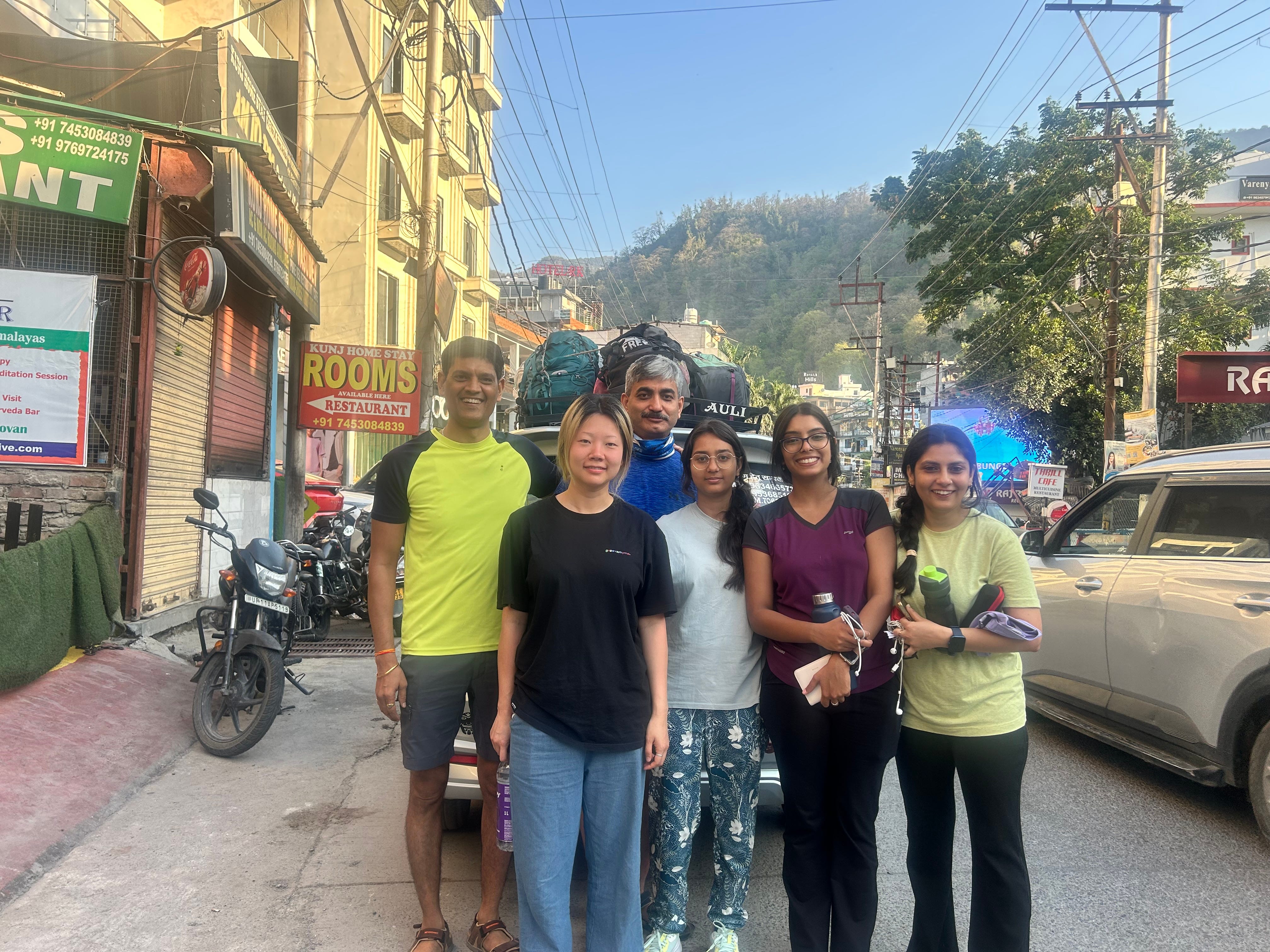
.What felt interesting was how naturally these two experiences connected. Both were reminders that human beings become themselves through shared journeys. Some emotional, some physical. Some loud with celebration, others silent except for the sound of footsteps and mountain streams
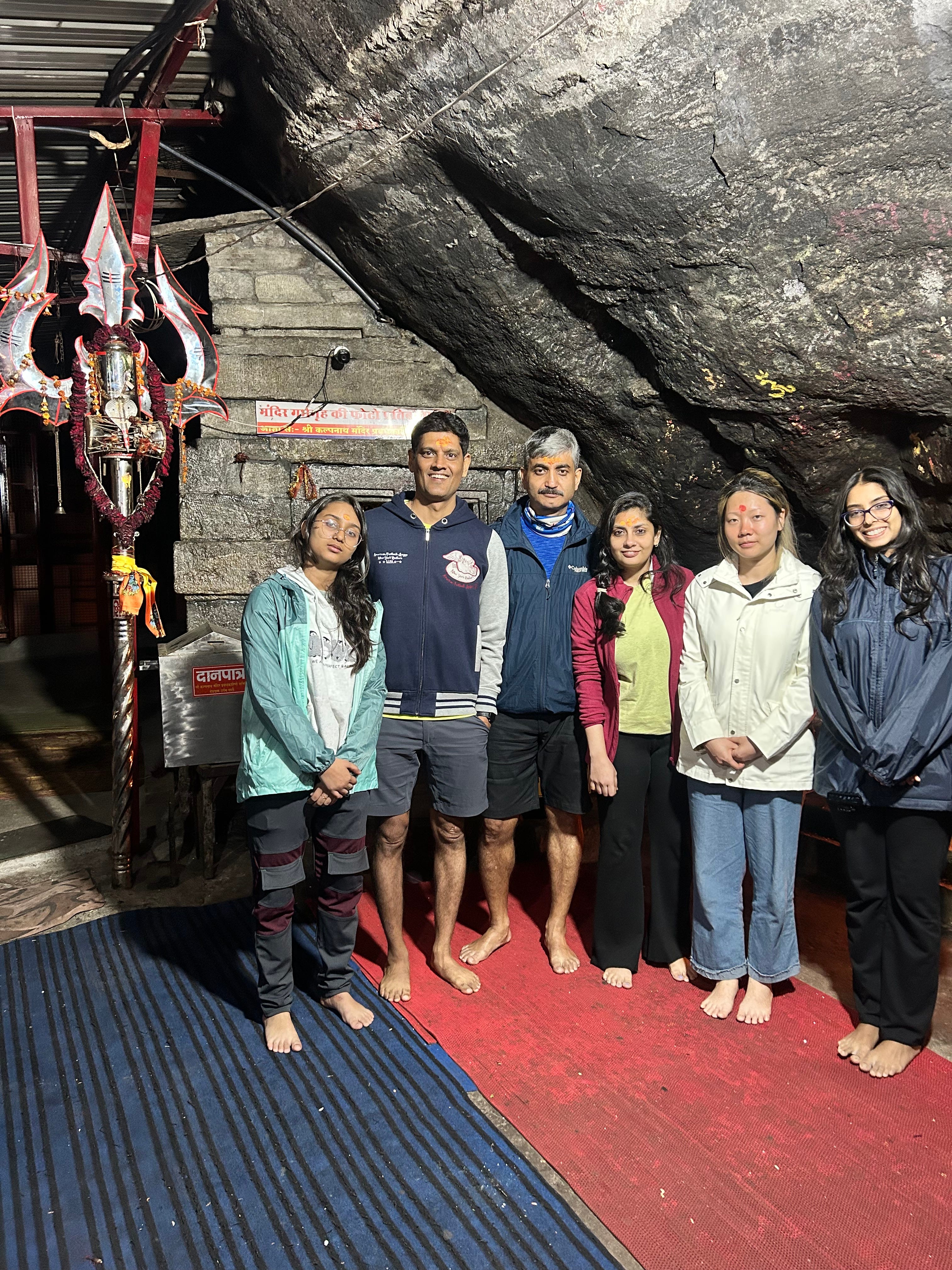
And perhaps that is the deeper continuity. Life rarely pauses between endings and beginnings. One simply flows into the other
I Love You
Shailendra